
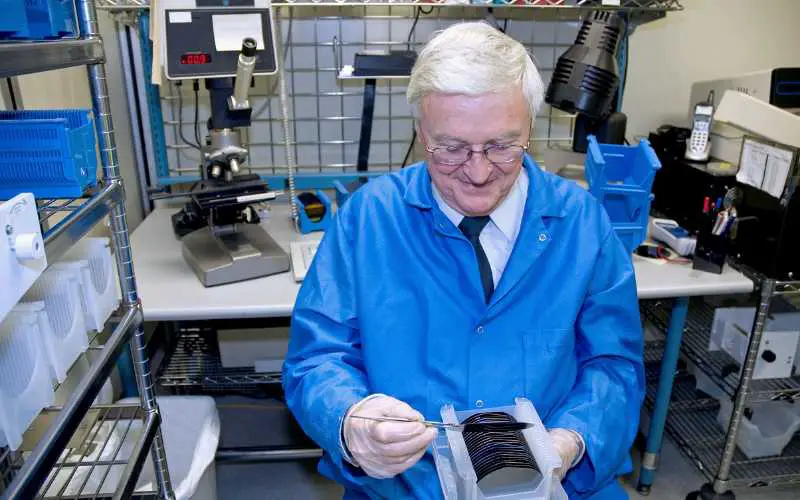
Interviews can be a pivotal moment in the career of a senior lab technician. Preparing for them requires a thorough understanding of both the technical skills and the interpersonal qualities that employers seek. By anticipating the questions that might be asked, candidates can showcase their expertise and experience in a way that resonates with the hiring panel. This preparation not only demonstrates their qualifications but also their enthusiasm for the role and their ability to communicate effectively.
To assist in this preparation, we have compiled a list of the top 33 interview questions and answers for senior lab technicians. This guide is designed to help candidates navigate through the complexities of the interview process with confidence. It covers a wide range of topics, from technical skills and problem-solving abilities to teamwork and project management. Whether you are looking to refine your responses or simply gain insight into what might be asked, this list serves as a comprehensive tool for anyone stepping into an interview for a senior lab technician position.
Senior Lab Technician Interview Preparation Tips
| Focus Area | Details | Tips |
|---|---|---|
| Technical Skills | Be prepared to discuss your experience with lab equipment, techniques, and procedures. Specific areas might include chromatography, spectroscopy, or PCR. | Review the job posting for mentioned technologies or techniques and refresh your knowledge on these areas. |
| Problem-Solving | Expect questions that assess your ability to troubleshoot experiments and handle unexpected results. | Think of examples where you successfully identified and solved problems in the lab. Be ready to describe the process. |
| Project Management | You may be asked about your experience in managing lab projects, including planning, execution, and reporting. | Highlight specific projects you’ve led or significantly contributed to, focusing on your role and the outcome. |
| Safety and Compliance | Demonstrating your knowledge of safety protocols and regulatory compliance is crucial. This includes handling chemicals and managing hazardous waste. | Review the most current safety guidelines and regulatory standards related to your field. |
| Communication Skills | Your ability to communicate clearly and effectively with team members, management, and cross-functional teams will be evaluated. | Prepare concise, clear explanations of complex technical processes or results you’ve been involved with. |
| Leadership and Mentoring | Especially relevant for a senior position, you may be asked about your experience in leading a team or mentoring junior staff. | Reflect on your leadership style, how you motivate others, and examples of how you’ve helped develop junior staff. |
| Technical Knowledge Test | Some interviews may include a practical test or theoretical questions to assess your technical knowledge directly related to the lab work. | Brush up on key theories, formulas, and practices that are foundational to your role as a Senior Lab Technician. |
| Adaptability | Being able to adapt to changes in technology, protocols, and team dynamics is crucial. You might be asked how you handle change. | Think of instances where you’ve successfully adapted to significant changes or improvements in your working environment. |
Preparing for a Senior Lab Technician interview requires a balance of reflecting on your past experiences, demonstrating your technical competency, and showcasing your soft skills and leadership qualities. Focusing on these areas and following the tips provided can help you effectively communicate your qualifications and readiness for the role.
1. Talk About A Challenge That You Faced In A Previous Position And How You Overcame That Challenge.
Tips to Answer:
- Focus on a specific challenge that you encountered, detailing the actions you took to overcome it and the skills you utilized.
- Highlight the positive outcome of the situation to demonstrate your problem-solving abilities and resilience.
Sample Answer: In my last role, I encountered a significant challenge when our laboratory faced a sudden shortage of critical reagents due to supply chain issues. This threatened to delay our project timelines significantly. To address this, I took a proactive approach by identifying alternative suppliers and negotiating expedited shipping terms. Simultaneously, I collaborated with the team to prioritize essential experiments and adjust our schedules accordingly. My ability to quickly adapt and communicate effectively ensured that our projects remained on track with minimal disruption. This experience taught me the importance of flexibility, quick thinking, and clear communication in solving unexpected problems.
2. What Do You Consider to Be Your Greatest Strength?
Tips to Answer:
- Reflect on a strength that aligns with the job requirements and is supported by specific examples from your past work experience.
- Demonstrate how this strength adds value to the team or organization and how it has contributed to your professional success.
Sample Answer: My greatest strength lies in my adaptability. In the fast-paced environment of a medical laboratory, I’ve learned to quickly adjust to changes, whether it’s new protocols, technologies, or unexpected challenges. For instance, when our laboratory introduced a new information management system, I took the initiative to learn it ahead of time and helped train my colleagues, ensuring a smooth transition. This ability to adapt not only helps me keep pace with the evolving field but also supports my team in maintaining high productivity and morale.
3. Do You Feel That You Are Detail-Oriented? If So, How?
Tips to Answer:
- Provide specific examples from past experiences where your attention to detail had a significant positive impact.
- Explain how your detail-oriented nature benefits your work and team, such as preventing errors or improving efficiency.
Sample Answer: Yes, I consider myself highly detail-oriented. For instance, in my previous role as a lab technician, I was responsible for meticulously documenting experiment results. My keen eye for detail helped identify a minor but critical inconsistency in our data collection process, which, once corrected, significantly improved the accuracy of our research findings. This not only enhanced the credibility of our work but also saved the team from potentially months of additional work. My ability to focus on the small details ensures that I can catch errors early, maintain high-quality standards, and contribute to the efficiency and success of my team.
4. Are You Proficient With Laboratory Equipment Typically Used By Lab Technicians?
Tips to Answer:
- Highlight your experience with specific types of laboratory equipment, detailing how you’ve used them in previous roles.
- Mention any certifications or special training you have received that is relevant to operating laboratory equipment, showing your commitment to maintaining proficiency.
Sample Answer: In my last position, I frequently worked with a variety of lab equipment, including spectrophotometers, centrifuges, and PCR machines. I am proficient in calibrating and maintaining these tools, ensuring they operate at peak performance. My proficiency was enhanced through a certification course in advanced laboratory techniques I completed last year, which covered a broad range of equipment. This training not only solidified my existing skills but also introduced me to the latest advancements in lab technology, enabling me to stay current in my field. I pride myself on my ability to quickly learn and master new equipment, ensuring I can efficiently contribute to any lab team.
5. What Other Duties Are You Accustomed To Performing Within A Medical Laboratory, Aside From Technical Work?
Tips to Answer:
- Highlight your ability to multitask and your flexibility in handling various responsibilities beyond your primary technical duties.
- Mention any administrative tasks, inventory management, or quality control measures you’ve been involved in, showcasing your all-rounded capabilities.
Sample Answer: In my previous role, I was not only involved in conducting assays and tests but also played a significant part in inventory management and quality control. Ensuring that we were always stocked on essential reagents and supplies was crucial to our lab’s efficiency. I regularly conducted inventory checks and liaised with suppliers to avoid any shortages. Additionally, I was responsible for implementing quality control measures to maintain the integrity of our results. This involved routine calibration of equipment and stringent adherence to lab protocols. My ability to juggle these tasks, alongside my technical work, helped in maintaining the smooth operation of our lab.
6. What Is One of Your Weaknesses, And What Do You Do To Overcome That Weakness?
Tips to Answer:
- Reflect on a genuine weakness that doesn’t critically impair your ability to perform in the role you’re applying for. Choose one that you’ve made conscious efforts to address.
- Discuss specific strategies or steps you’ve taken to overcome or mitigate this weakness in a professional setting.
Sample Answer: One weakness I’ve identified in my professional life is public speaking. Despite being confident in one-on-one interactions, I initially found it challenging to present ideas in larger groups. Recognizing the importance of this skill, especially in the scientific community where sharing knowledge is key, I took proactive steps to improve. I enrolled in a public speaking course and sought opportunities at work to present findings or lead meetings. This not only helped me become more comfortable but also allowed me to receive constructive feedback. Now, I approach public speaking with much more confidence and see it as an opportunity to engage and inform.
7. Please Explain Your Knowledge Of Laboratory Safety Procedures And Protocols
Tips to Answer:
- Highlight specific safety certifications or training you have undergone, such as OSHA or CLIA guidelines, to showcase your familiarity and commitment to maintaining a safe laboratory environment.
- Provide examples of how you have actively contributed to enhancing safety protocols in your previous roles, such as identifying potential hazards and suggesting improvements.
Sample Answer: In my previous role, I underwent extensive training on OSHA and CLIA safety guidelines which significantly enhanced my understanding of laboratory safety procedures. I am well-versed in the proper handling of hazardous materials, ensuring that all chemicals are stored according to their compatibility and risks. I’ve actively participated in safety audits, identifying areas for improvement and leading initiatives to mitigate potential hazards. For instance, I noticed that our eyewash station was not easily accessible during an emergency. I proposed a reorganization of the laboratory layout to make safety equipment more accessible, which was implemented and resulted in a safer working environment for all staff. My experience has taught me the importance of vigilance and proactivity in maintaining a safe laboratory.
8. How Do You Prioritize Safety Protocols And Procedures in A Laboratory Setting?
Tips to Answer:
- Highlight specific examples from your past experience where prioritizing safety protocols directly contributed to a positive outcome in the lab.
- Discuss how you stay informed about updates and changes to safety protocols and the importance of ongoing training and compliance.
Sample Answer: In my previous role as a lab technician, prioritizing safety was paramount. I always began by ensuring that I was up-to-date with the latest safety protocols through regular training sessions and by subscribing to industry newsletters. For instance, when a new chemical handling procedure was introduced, I took the initiative to organize a workshop for my team, ensuring everyone understood and could apply the new protocol effectively. I also made it a habit to conduct pre-lab safety checks, verifying that all equipment was in good condition and that emergency exits and equipment were easily accessible. This proactive approach not only prevented accidents but also fostered a culture of safety among my colleagues.
9. Can You Handle Challenges Professionally in a Fast-Paced Scientific Industry?
Tips to Answer:
- Reflect on specific instances where you’ve successfully navigated challenges in a high-pressure environment, emphasizing your problem-solving skills and adaptability.
- Highlight your ability to stay calm under pressure, manage your time efficiently, and communicate effectively with team members to resolve issues.
Sample Answer: In my previous role, we faced a critical deadline for a major project that required extensive testing. Initially, the workload seemed overwhelming due to the tight timeline and the high stakes involved. I took a step back to assess the situation, prioritizing tasks and delegating them according to my team’s strengths. Recognizing the importance of communication, I held brief daily meetings to update on progress and address any hurdles promptly. This approach enabled us to not only meet the deadline but also to deliver results that exceeded expectations. It taught me the value of a strategic approach and clear communication in overcoming challenges in a fast-paced setting.
10. How Do You Maintain A Positive Mindset While Working Under Pressure?
Tips to Answer:
- Reflect on specific strategies or techniques you use to stay calm and positive under pressure, such as deep breathing, prioritizing tasks, or taking short breaks.
- Share a brief example from your past experience that demonstrates your ability to maintain a positive attitude during stressful situations.
Sample Answer: In high-pressure situations, I focus on breaking down tasks into manageable parts and prioritize them based on urgency. This approach helps me concentrate on one thing at a time, reducing feelings of being overwhelmed. I also make it a point to take short breaks to clear my mind, which I find essential for maintaining my focus and positive outlook. For instance, during a particularly challenging project with tight deadlines, I used these strategies to not only stay positive myself but also to motivate my team. We successfully met the deadline and received commendation for our work, which reaffirmed the importance of a positive mindset.
11. Have You Faced Situations Where You Had to Manage Multiple Clients and Their Testing Requests Effectively?
Tips to Answer:
- Highlight your organizational skills and ability to prioritize tasks based on urgency and client needs.
- Mention specific tools or methods you use to keep track of different clients and their requests to ensure nothing is overlooked.
Sample Answer: In my previous role as a lab technician, managing multiple clients and their testing requests was a daily part of my job. I relied heavily on digital tools like project management software to keep track of each client’s requests and deadlines. Each client’s project was assigned a priority level based on urgency and importance, which helped me to tackle tasks in an orderly manner. I also made it a habit to communicate regularly with clients about the status of their requests. This ensured transparency and allowed me to manage expectations effectively. Through these strategies, I was able to handle multiple clients simultaneously without compromising the quality of work or missing deadlines.
12. How Do You Ensure Fair Treatment Of All Clients When Managing Testing Requests?
Tips to Answer:
- Focus on demonstrating your organizational skills and how you prioritize tasks based on urgency and fairness, not on personal biases.
- Mention any software or tools you use to keep track of testing requests and client information to ensure that you are treating all clients equally.
Sample Answer: In my previous role, ensuring fair treatment of all clients was paramount. I did this by implementing a first-come, first-served approach while also prioritizing urgent cases based on their medical necessity, which was clearly communicated by the clients. I utilized a digital management system to log and track all testing requests, ensuring transparency and fairness in the process. This system allowed me to provide accurate time estimates to clients and manage their expectations effectively. Regular communication with clients about their testing status was also key in maintaining trust and fairness.
13. Describe a Time When You Had To Troubleshoot An Issue With Laboratory Equipment.
Tips to Answer:
- Highlight your problem-solving skills and how you applied them to identify and fix the issue.
- Mention any collaboration with teammates or external support to resolve the problem, showcasing teamwork or communication skills.
Sample Answer: In my last role, I encountered a malfunction with the centrifuge, which was crucial for our daily operations. Initially, I checked the machine’s error codes and referred to the troubleshooting guide. Realizing the issue might be more complex, I collaborated with a senior technician who had more experience with this equipment. Together, we discovered a fault in the rotor assembly. By dividing tasks, I focused on procuring the necessary replacement parts while my colleague worked on dismantling the faulty components. After the repairs, I took the lead in testing the centrifuge with several trial runs to ensure it was operating correctly before it was put back into full service. This experience taught me the importance of detailed observation, effective communication, and teamwork in resolving technical issues promptly.
14. How Do You Approach Maintaining and Troubleshooting Laboratory Equipment?
Tips to Answer:
- Highlight your methodical approach to diagnosing issues with equipment and your ability to follow through with the necessary repairs or maintenance procedures.
- Emphasize your commitment to continual learning and staying updated on the latest technological advancements related to the laboratory equipment you handle.
Sample Answer: In my previous role, when facing issues with laboratory equipment, I always started with a thorough diagnostic process. I would first consult the equipment’s manual to understand its specifications and troubleshooting guidelines. If the solution wasn’t found there, I’d research online forums or contact the manufacturer’s support team for advice. This approach helped me resolve many technical problems efficiently. Additionally, I make it a habit to regularly attend workshops and webinars to stay informed about new technologies and maintenance techniques. This proactive attitude towards learning and problem-solving ensures that I can maintain and troubleshoot laboratory equipment effectively, minimizing downtime and supporting the continuity of laboratory operations.
15. What Steps Do You Take To Ensure Accurate Record-Keeping In A Laboratory Setting?
Tips to Answer:
- Highlight your attention to detail and organizational skills.
- Mention any specific systems or software you are familiar with for record-keeping.
Sample Answer: In ensuring accurate record-keeping in my lab roles, I always prioritize organization and diligence. I start by familiarizing myself with the lab’s standard operating procedures and the specific software we use for records, like LIMS or Excel. I make it a habit to double-check my entries for accuracy and ensure they are complete before submission. Regularly, I set aside time to review and update records to catch any discrepancies early. Also, I collaborate closely with my team, encouraging open communication to report and rectify any errors immediately.
16. How Do You Handle Inventory Management of Laboratory Supplies and Tools?
Tips to Answer:
- Emphasize your organizational skills and how you apply them to manage inventory effectively.
- Highlight any specific systems or software you have used in the past to keep track of inventory levels.
Sample Answer: In my previous role, I was responsible for managing the inventory of laboratory supplies and tools. I utilized a digital inventory management system to monitor stock levels, expiry dates, and re-order thresholds. This ensured we never ran out of essential items and could maintain our workflows efficiently. I conducted weekly checks to verify the accuracy of the system against physical stock and adjusted entries whenever discrepancies were found. Additionally, I worked closely with suppliers to negotiate the best prices and delivery schedules, optimizing our budget and ensuring we always had the necessary supplies on hand.
17. Can You Describe Your Experience With Waste Management Activities in A Laboratory?
Tips to Answer:
- Highlight specific examples of how you have effectively managed laboratory waste, including segregation, storage, and disposal processes.
- Emphasize any training or certifications you have related to waste management and how it contributed to maintaining safety and compliance in the lab.
Sample Answer: In my previous role as a lab technician, I was responsible for ensuring that all waste generated in the lab was handled and disposed of in accordance with local regulations and our facility’s safety protocols. This included categorizing waste into biohazardous, chemical, and general waste. I diligently followed protocols for each type, such as using autoclaves for biohazardous waste and ensuring chemicals were neutralized before disposal. I also maintained records of waste disposal and participated in regular training sessions to stay updated on best practices. My commitment to meticulous waste management helped maintain a safe and compliant laboratory environment.
18. Have You Developed Or Updated Any Protocols Or Checklists In Your Previous Roles?
Tips to Answer:
- Reflect on specific instances where you took initiative to develop or improve protocols, emphasizing the impact on efficiency or safety.
- Highlight your ability to collaborate with colleagues during the process to ensure the protocols were comprehensive and practical.
Sample Answer: In my last position, I identified a gap in our sample handling procedures that led to inconsistencies in testing results. I took the initiative to develop a new protocol that streamlined the process from collection to analysis. I collaborated with senior technicians and incorporated their feedback to make sure the new protocol was practical and comprehensive. This not only improved the accuracy of our results but also enhanced the team’s productivity. Additionally, I updated our equipment maintenance checklist, which reduced downtime and increased the longevity of our instruments.
19. How Do You Ensure the Proper Handling and Storage of Hazardous Materials in a Lab?
Tips to Answer:
- Highlight your knowledge and adherence to specific regulatory standards for handling and storing hazardous materials.
- Share a specific example or experience that demonstrates your capability in managing such materials safely.
Sample Answer: In my previous role, I ensured the proper handling and storage of hazardous materials by strictly following OSHA and MSDS guidelines. I always wore the appropriate PPE and made sure to conduct regular training sessions for new team members on safety protocols. For instance, I was responsible for reorganizing the chemical storage area to enhance safety and accessibility. I categorized chemicals according to their hazard class and ensured all flammables were stored in a dedicated flammable cabinet away from direct sunlight and heat sources. This reorganization significantly reduced the risk of chemical accidents in our lab.
20. What Emergency Procedures and Protocols Have You Been Trained On in a Laboratory?
Tips to Answer:
- Highlight specific training sessions or courses you’ve attended related to emergency preparedness in a laboratory setting.
- Give examples of real-life situations where you had to apply these protocols, emphasizing how your actions minimized risk or damage.
Sample Answer: In my previous role, I received comprehensive training on various emergency procedures, including fire safety, chemical spills, and biohazard exposures. I learned the importance of calm and decisive action, ensuring the safety of all personnel while minimizing the impact on critical laboratory operations. For instance, during a minor chemical spill, I quickly implemented the spill response protocol, evacuating the area, containing the spill, and notifying the appropriate authorities. This experience not only solidified my understanding of theoretical protocols but also honed my ability to react effectively under pressure.
21. How Do You Respond to Accidents or Emergencies in A Laboratory Setting?
Tips to Answer:
- Emphasize your ability to stay calm and think clearly under pressure, as reacting effectively to emergencies is crucial.
- Highlight any specific training or certifications you have that are related to emergency response, such as first aid or CPR.
Sample Answer: In emergencies, I prioritize safety and follow established protocols. For instance, once when a chemical spill occurred, I immediately secured the area, used the spill kit to contain it, and notified the safety officer as per our lab’s emergency response plan. I’ve been trained in first aid and CPR, which equips me to assist in various situations until professional medical help arrives. Regular participation in safety drills has honed my ability to stay calm and act decisively, ensuring the well-being of all involved.
22. Can You Explain the Importance of Regular Safety Inspections and Equipment Maintenance in a Lab?
Tips to Answer:
- Highlight specific examples where regular inspections prevented potential accidents or incidents.
- Emphasize the role of maintenance in ensuring equipment reliability and accuracy in results.
Sample Answer: In my previous role, I was responsible for conducting weekly safety inspections and maintaining equipment. I’ve learned that regular inspections are crucial for identifying risks before they lead to accidents. For instance, by spotting a frayed power cord during an inspection, I prevented what could have been a dangerous electrical fault. Also, routine maintenance is key to ensuring that lab equipment operates efficiently. This not only extends the lifespan of the equipment but also guarantees that our test results are accurate and reliable. Keeping a meticulous maintenance log helped us track equipment performance and schedule preventive maintenance, thereby minimizing downtime and enhancing lab productivity.
23. Describe Your Experience With Different Types Of Laboratory Equipment Manufacturers.
Tips to Answer:
- Focus on the variety of equipment you’ve used and how this has broadened your technical skills.
- Mention any specific manufacturers you’ve worked with and highlight any unique features or challenges associated with their equipment.
Sample Answer: In my previous roles, I’ve had the opportunity to work with a range of laboratory equipment from various manufacturers, including Thermo Fisher, Beckman Coulter, and Agilent Technologies. This experience has allowed me to develop a deep understanding of the nuances of different equipment types. For example, working with Thermo Fisher’s centrifuges taught me the importance of precise calibration techniques, while Beckman Coulter’s analyzers highlighted the need for regular maintenance to ensure accuracy. Handling equipment from Agilent Technologies sharpened my troubleshooting skills, especially for their complex chromatography systems. I pride myself on my ability to quickly adapt to the specifics of each manufacturer’s equipment, ensuring high-quality results in the lab.
24. How Do You Approach Training Others on Laboratory Equipment and Safety Procedures?
Tips to Answer:
- Focus on the importance of hands-on training and ensuring that the trainees understand the reason behind each safety procedure.
- Mention the use of various training methods, such as demonstrations, simulations, and quizzes, to accommodate different learning styles.
Sample Answer: In my experience, effective training on laboratory equipment and safety procedures starts with a clear understanding of the equipment and the risks involved. I always begin by demonstrating the correct use of each piece of equipment, highlighting the safety features and explaining why each step is crucial for ensuring a safe working environment. I encourage questions and often use real-life scenarios to explain the potential risks and consequences of not following the procedures. Additionally, I assess their comprehension through practical exercises and quizzes, adapting my training style to meet the needs of different learners. This approach not only enhances safety but also builds confidence in handling laboratory equipment.
25. Have You Worked On Any Projects Involving Laboratory Equipment Maintenance Or Upgrades?
Tips to Answer:
- Highlight specific projects where you were directly involved in maintenance or upgrades of lab equipment, detailing your contributions and the outcomes.
- Reflect on how these projects improved laboratory efficiency, safety, or capabilities, showing your ability to add value through technical skills and problem-solving.
Sample Answer: In my previous role, I spearheaded a project to upgrade our spectrophotometers to newer models. My responsibilities included researching potential upgrades, presenting cost-benefit analyses to management, and overseeing the installation process. I coordinated with vendors for the best deals and ensured minimal downtime. This project not only improved our analytical capabilities but also increased our efficiency by 30%, enabling us to handle a larger volume of samples with greater accuracy. My proactive approach and attention to detail were crucial in the seamless execution of this upgrade.
26. How Do You Ensure the Cleanliness and Hygiene of Laboratory Equipment?
Tips to Answer:
- Highlight your adherence to standard operating procedures (SOPs) for cleaning and disinfecting equipment.
- Mention your commitment to regular training and staying updated on best practices in laboratory cleanliness.
Sample Answer: In my previous roles, I’ve always prioritized the cleanliness and hygiene of laboratory equipment by strictly adhering to SOPs. For each piece of equipment, I follow the manufacturer’s guidelines for cleaning and maintenance. This includes daily disinfection of surfaces and thorough cleaning of equipment after each use. I also ensure that I am up-to-date with any new cleaning protocols through regular training sessions. My commitment to maintaining a clean lab environment helps prevent contamination and ensures accurate test results.
27. Can You Provide an Example of a Time When You Had to Calibrate Laboratory Equipment?
Tips to Answer:
- Use a specific instance to illustrate your proficiency and problem-solving skills during the calibration process.
- Highlight your attention to detail and how you ensure accuracy and reliability in laboratory results through regular calibration.
Sample Answer: In my previous role, we had a critical project that relied heavily on precise measurements from our spectrophotometer. I noticed the readings were slightly off during routine checks, which could compromise our data quality. Recognizing the urgency, I immediately initiated the calibration process. I meticulously followed the manufacturer’s guidelines and used certified standards for calibration. After adjusting the equipment, I conducted several test runs to ensure the accuracy was restored. This experience taught me the importance of regular equipment checks and the need for precision in all laboratory work. My proactive approach not only prevented potential data inaccuracies but also reinforced the lab’s commitment to high-quality results.
28. How Do You Handle Requests for Maintenance or Repairs of Laboratory Equipment?
Tips to Answer:
- Emphasize your proactive approach to identifying issues before they escalate and your systematic process for addressing maintenance requests.
- Highlight your communication skills in liaising with maintenance teams or vendors and ensuring that equipment downtime is minimized.
Sample Answer: In my previous role, I always prioritized requests for maintenance or repairs of laboratory equipment by severity and impact on our operations. I maintained a log of all reported issues and scheduled repairs based on urgency and availability. For minor issues, I relied on my training to perform immediate repairs to prevent downtime. For more complex problems, I communicated effectively with the maintenance team or external service providers, providing detailed information about the issue to ensure a quick resolution. I also followed up post-repair to ensure the equipment was functioning correctly and implemented a regular maintenance schedule to reduce future issues.
29. Describe Your Approach To Developing Toolkits For Minor Repairs Of Lab Equipment.
Tips to Answer:
- Emphasize your proactive and resourceful mindset in preparing for and addressing equipment issues.
- Highlight your ability to identify the most commonly needed tools and parts based on past experiences and equipment manuals.
Sample Answer: In my previous role, I took the initiative to create a comprehensive toolkit for minor lab equipment repairs. Recognizing that downtime could significantly impact our workflow, I started by cataloging the most frequent issues we encountered with our equipment. I consulted equipment manuals and liaised with manufacturers to understand the tools and parts most likely to be needed for quick fixes. My toolkit included basic hand tools, specific replacement parts like fuses and belts, and a detailed guide I compiled on troubleshooting common problems. This proactive approach not only minimized equipment downtime but also empowered my team to handle minor issues efficiently without always needing to wait for external support.
30. How Do You Ensure The Proper Disposal Of Hazardous Waste In A Laboratory?
Tips to Answer:
- Highlight specific guidelines or protocols you follow for hazardous waste disposal, referencing OSHA or EPA standards if applicable.
- Mention any experience you have with training colleagues on proper disposal methods to emphasize teamwork and safety culture.
Sample Answer: In my previous role, adhering to OSHA and EPA guidelines was paramount for the safe disposal of hazardous waste. I ensured compliance by staying updated on the latest regulations and conducting regular training sessions for new employees. This involved segregating waste according to its type—chemical, biological, or sharp objects—and then following the specific disposal procedure for each. For instance, chemical wastes were neutralized before disposal, and sharp objects were placed in puncture-resistant containers. I also maintained meticulous records of the disposal process, which not only ensured safety but also facilitated audits. My proactive approach to training and adherence to guidelines played a crucial role in maintaining a safe work environment.
31. Have You Been Involved in Setting Up or Improving Laboratory Safety Protocols?
Tips to Answer:
- Reflect on specific examples where you contributed to enhancing safety protocols, highlighting your role and the impact of your contribution.
- Emphasize your commitment to safety, your ability to work as part of a team, and your proactive approach to identifying and addressing potential safety issues.
Sample Answer: In my last role, I was part of a task force responsible for updating our lab’s safety protocols. Recognizing that our chemical storage procedures were outdated, I spearheaded an initiative to re-evaluate and improve them. Collaborating with my team, we conducted a comprehensive review of current safety standards and implemented a more robust labeling and storage system. This not only ensured compliance with national safety guidelines but also significantly reduced the risk of chemical accidents in our lab. My proactive approach and dedication to safety were key in driving these improvements, demonstrating my ability to lead critical safety initiatives.
32. Can You Discuss Your Experience With Laboratory Inspections And Audits?
Tips to Answer:
- Highlight specific experiences where you were directly involved in or led laboratory inspections and audits, detailing any improvements or corrective actions that were implemented as a result.
- Emphasize your understanding of the importance of these inspections and audits in maintaining quality control, safety, and regulatory compliance within the laboratory.
Sample Answer: In my previous role as a lab technician, I played a key part in annual laboratory inspections and quarterly audits. I prepared our team by ensuring all documentation and lab practices were up-to-date and compliant with industry standards. During one inspection, I identified a recurring issue with equipment calibration documentation. I initiated a new protocol for monthly checks and immediate documentation, which improved our audit performance and equipment reliability. My proactive approach not only streamlined our audit process but also enhanced our lab’s overall efficiency and safety compliance.
33. How Do You Stay Updated on The Latest Advancements in Laboratory Technology and Safety Practices?
Tips to Answer:
- Regularly participate in professional development opportunities such as workshops, seminars, and online courses related to laboratory advancements.
- Subscribe to reputable industry publications and join professional organizations to access the latest research and updates in the field.
Sample Answer: I actively seek out professional development opportunities, including workshops and seminars, to keep abreast of the latest trends in laboratory technology and safety. This commitment ensures I’m always applying the most current practices in my work. Additionally, I subscribe to several industry publications and am a member of professional organizations, which provide me access to cutting-edge research and developments. These strategies allow me to continuously improve and apply the most advanced techniques and safety measures in the laboratory.
Conclusion
In conclusion, preparing for a Senior Lab Technician interview requires a deep understanding of the technical skills, a solid grasp of safety protocols, and the ability to work effectively in a team. The top 33 interview questions provided aim to give candidates a comprehensive overview of the potential topics they might encounter. By carefully considering these questions and crafting thoughtful, experience-backed answers, candidates can demonstrate their qualifications, problem-solving abilities, and commitment to maintaining high standards in the laboratory environment. Remember, success in the interview not only depends on showcasing your technical expertise but also on demonstrating your communication skills, adaptability, and passion for the field. Good luck!