
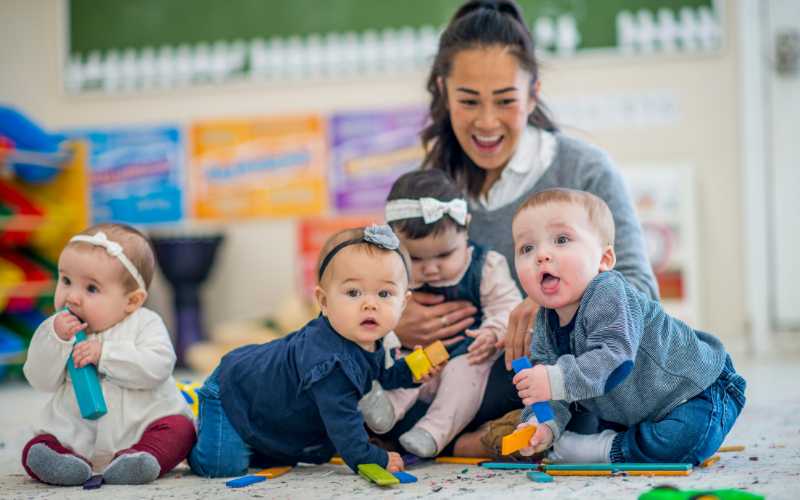
Interviewing for the role of a daycare director is a critical step in ensuring that a child care center operates smoothly, maintains high standards of safety and education, and fosters a nurturing environment for children. The questions asked during the interview are designed to assess a candidate’s leadership skills, understanding of early childhood education, ability to manage staff, and strategies for engaging with parents and the community.
Given the importance of this role, it is essential for candidates to prepare thoroughly for their interviews. This guide provides a comprehensive list of the top 33 daycare director interview questions along with insightful answers. These questions cover a wide range of topics, from operational management and educational programming to staff development and conflict resolution, offering candidates a valuable tool for preparation.
Daycare Director Interview Preparation Tips
| Focus Area | Details | Tips |
|---|---|---|
| Experience & Background | Your previous roles, challenges you’ve faced, and how you’ve overcome them. | Highlight specific instances where you’ve made a positive impact, showcasing leadership and problem-solving skills. |
| Knowledge of Child Development | Understanding of various stages of child development and how they influence daycare activities. | Read up on recent research or theories in child development to discuss how it informs your approach to childcare. |
| Regulatory Compliance | Familiarity with state and federal laws governing childcare facilities. | Review the latest regulations and be prepared to discuss how you ensure compliance at your facility. |
| Safety Protocols | Your approach to maintaining a safe environment for children. | Be ready to share specific strategies or programs you’ve implemented to enhance safety. |
| Program Development | Ability to design, implement, and assess daycare programs that promote learning and well-being. | Prepare to discuss a successful program you’ve developed, focusing on its goals, implementation, and outcomes. |
| Financial Management | Managing budgets, controlling costs, and financial planning. | Bring examples of how you’ve effectively managed a budget or identified cost-saving opportunities. |
| Staff Management | Your style of leadership and how you motivate, train, and evaluate staff. | Discuss your management philosophy and how it has led to staff development and a positive workplace culture. |
| Communication Skills | Effectively communicating with staff, parents, and children. | Prepare examples of how you’ve handled difficult conversations or fostered a strong sense of community. |
- When discussing your technical expertise, focus on:
- Your proficiency in childcare management software.
- Understanding of child nutrition and meal planning.
- Experience in emergency response planning and first aid.
Preparing for these areas will not only help you feel more confident during your interview but also demonstrate your comprehensive understanding of the responsibilities and challenges of a Daycare Director.
1. What Is Your Experience Working In A Daycare Setting?
Tips to Answer:
- Reflect on specific experiences you have had in a daycare setting, mentioning the age groups you have worked with and any special programs or projects you have been involved in.
- Highlight any challenges you faced and how you overcame them, as this can demonstrate your problem-solving skills and resilience.
Sample Answer: I have worked in a daycare setting for over five years, primarily with toddlers and preschool-aged children. During my tenure, I’ve taken the initiative to introduce an interactive learning program that focuses on early literacy and numeracy skills. This program was highly successful, leading to a noticeable improvement in children’s engagement and learning outcomes. I’ve also dealt with various challenges, such as managing diverse behavioral issues among children. By applying positive behavior management strategies and maintaining close communication with parents, I was able to create a supportive and effective learning environment. My experience has equipped me with the skills to foster a nurturing, educational, and safe daycare setting for all children.
2. Can You Describe Your Educational Background, Specifically In Early Childhood Education?
Tips to Answer:
- Highlight any degrees, certifications, or relevant courses you have completed that are related to early childhood education.
- Share experiences where your education directly impacted your ability to work effectively with children in a daycare setting.
Sample Answer: I earned a Bachelor’s degree in Early Childhood Education from XYZ University, where I focused on developmental psychology and inclusive education strategies. During my studies, I completed several internships at local daycares, which allowed me to apply theoretical knowledge in real-world settings. These experiences helped me understand the diverse needs of children and how to create engaging, educational activities tailored to those needs. Additionally, I’ve attended workshops on positive behavior support and am certified in pediatric first aid and CPR, ensuring I can provide a safe and supportive environment for all children.
3. How Do You Handle Challenging Behaviors In Children?
Tips to Answer:
- Reflect on specific strategies or techniques you have used in past experiences to manage difficult behaviors effectively.
- Emphasize the importance of understanding the root cause of the behavior, showing empathy, and maintaining a positive, consistent approach.
Sample Answer: In my experience, handling challenging behaviors starts with identifying the underlying reasons. I’ve found that close observation and engagement allow me to understand what a child might be communicating through their behavior. For instance, I use positive reinforcement to encourage desirable behaviors and set clear, consistent rules. I believe in creating a supportive environment where children feel safe to express themselves while also learning to respect boundaries. In situations where behavior is particularly challenging, I involve parents and colleagues to brainstorm and implement strategies tailored to the child’s needs, ensuring a collaborative and holistic approach.
4. How Do You Ensure The Safety And Well-Being Of All Children In Your Care?
Tips to Answer:
- Highlight specific strategies or protocols you implement to maintain a safe environment for children.
- Discuss how you stay informed and up-to-date on best practices and regulations regarding child safety and well-being.
Sample Answer: In ensuring the safety and well-being of all children in my care, I prioritize a structured environment where safety protocols are clearly communicated and consistently enforced. I conduct regular risk assessments to identify and mitigate potential hazards in the daycare setting. Training in first aid and emergency response keeps me prepared for any situation. I also foster an open line of communication with parents about their child’s day-to-day experiences and well-being, ensuring that each child feels secure, supported, and understood.
5. Can You Describe Your Approach To Curriculum Development And Lesson Planning?
Tips to Answer:
- Reflect on your specific strategies for creating engaging, educational content that is tailored to the developmental stages of the children in your care.
- Emphasize how you incorporate feedback from children, staff, and parents to adapt and improve your curriculum and lesson plans.
Sample Answer: In developing curriculum and lesson plans, I start by assessing the developmental needs and interests of the children in my care. I aim to create a balanced mix of activities that promote social, emotional, cognitive, and physical development. For example, I integrate interactive storytelling to enhance language skills and hands-on science experiments to foster curiosity and critical thinking. Collaboration with my team is key; I regularly gather their insights and observations to refine our approach. Additionally, I value parent input to ensure our curriculum resonates with the children’s background and interests, making learning more meaningful and engaging for them.
6. How Do You Involve Parents And Families In The Daycare Program?
Tips to Answer:
- Highlight specific strategies you use to encourage parent and family engagement, such as regular communication through newsletters, emails, or parent-teacher meetings.
- Emphasize the importance of building a partnership with parents and how it benefits the children’s development and learning experience.
Sample Answer: In my role, I prioritize building strong relationships with parents and families. I achieve this through consistent communication, using tools like monthly newsletters and weekly emails to share updates about their child’s progress and our daycare activities. I also organize regular parent-teacher meetings and encourage parents to participate in our curriculum planning and special events. This approach not only keeps parents informed but also makes them feel valued as partners in their child’s education, fostering a supportive and collaborative environment for everyone involved.
7. How Do You Manage And Support Your Staff?
Tips to Answer:
- Highlight specific strategies for staff development, such as regular training sessions or one-on-one coaching, to demonstrate how you invest in your team’s growth.
- Discuss how you foster a positive work environment by encouraging open communication, recognizing achievements, and addressing conflicts promptly and effectively.
Sample Answer: As a daycare director, supporting my staff is a top priority. I believe in providing regular training sessions to help them stay current with educational trends and enhance their skill sets. Additionally, I hold monthly meetings for everyone to voice their concerns and ideas, which helps in maintaining an open line of communication. Recognizing and celebrating staff achievements is also crucial for morale. When conflicts arise, I address them immediately, ensuring a solution is found that respects everyone involved. By fostering a supportive and positive work environment, I help my team perform their best, which in turn benefits the children we care for.
8. Can You Describe Your Experience With State Licensing Regulations And Compliance?
Tips to Answer:
- Highlight specific examples of how you have ensured compliance with state licensing regulations in your previous roles, emphasizing any audits or inspections you successfully navigated.
- Discuss your approach to staying updated on changes to regulations and how you implement these changes within your daycare setting.
Sample Answer: In my previous role, I was responsible for ensuring our daycare met all state licensing regulations. I conducted regular internal audits to prepare for annual state inspections, which we passed with high marks. I stay informed on regulatory changes by attending workshops and subscribing to state newsletters. Implementing these updates, I lead training sessions for our staff to ensure everyone is knowledgeable and our practices remain compliant. This proactive approach has helped maintain a safe and regulatory-compliant environment for the children in our care.
9. How Do You Handle Emergency Situations And Medical Emergencies?
Tips to Answer:
- Highlight your ability to remain calm and collected during emergencies, which allows you to think clearly and act quickly.
- Emphasize your knowledge of first aid, CPR, and emergency protocols, as well as your experience with actual emergency situations if applicable.
Sample Answer: In emergency situations, my first priority is ensuring the safety of all children under my care. I maintain a calm demeanor to avoid panic, assess the situation quickly, and follow the established emergency protocols. I am certified in first aid and CPR, which equips me to provide immediate care if needed. I also ensure that all staff are trained and familiar with these protocols. Communication is key, so I make sure to inform parents and emergency services promptly while keeping detailed records of the incident for future reference.
10. Can You Describe Your Experience With Inclusion And Working With Children With Special Needs?
Tips to Answer:
- Highlight specific strategies or programs you have implemented to support children with special needs, emphasizing inclusivity and tailored approaches.
- Share a success story where your intervention or strategy significantly benefited a child with special needs, focusing on outcomes and learning.
Sample Answer: In my previous role, I spearheaded an inclusive classroom initiative, ensuring every child, regardless of their abilities, felt valued and supported. I collaborated with specialists to integrate personalized learning plans, focusing on each child’s strengths and areas for growth. A memorable instance was when I worked closely with a child diagnosed with autism. By incorporating sensory play and structured routines into our daily activities, I saw a remarkable improvement in his social interactions and overall engagement in classroom activities. My approach is always child-centered, aiming to foster a sense of belonging and achievement in all children.
11. How Do You Promote Positive Communication And Relationships Between Children?
Tips to Answer:
- Emphasize the importance of modeling positive communication yourself, as children often mimic adult behaviors.
- Highlight strategies for teaching children to express their feelings and needs in respectful ways, and how to listen to and understand others.
Sample Answer: In my approach to promoting positive communication and relationships among children, I first ensure that I am modeling respectful and kind communication at all times, as children are keen observers and imitators of adult behavior. I implement activities that foster empathy, such as role-playing games where children get to express themselves and also listen to others’ perspectives. I use storytime to discuss themes related to friendship, sharing, and understanding, asking open-ended questions to encourage children to think and express their ideas about building positive relationships. Additionally, I establish clear classroom rules about communication and treat each child’s thoughts and questions with seriousness and respect, which helps in creating a nurturing environment where children feel valued and heard.
12. Can You Describe Your Approach To Conflict Resolution And Discipline?
Tips to Answer:
- Highlight your emphasis on understanding the root causes of conflicts or challenging behaviors before implementing any disciplinary actions.
- Emphasize your commitment to fostering a positive learning environment that encourages children to learn from their experiences and to develop empathy and respect for others.
Sample Answer: In my approach to conflict resolution and discipline, I focus first on understanding the underlying reasons behind a child’s behavior. I believe in active listening and giving the child a chance to express their feelings and perspectives. This helps me tailor my intervention in a way that addresses the specific needs and emotions of each child. I ensure that any disciplinary action is fair, consistent, and communicated clearly to the child, helping them understand the consequences of their actions. My goal is always to turn challenging situations into learning opportunities, promoting an environment where children feel valued, understood, and guided towards making positive choices.
13. How Do You Ensure That the Daycare Environment Is Clean, Organized, and Welcoming?
Tips to Answer:
- Highlight your attention to detail and regular scheduling for cleaning and organization to maintain a hygienic environment.
- Discuss the importance of creating a welcoming atmosphere through decoration, layout, and personal interactions to foster a positive and inclusive environment for children, staff, and parents.
Sample Answer: In my role, ensuring a clean, organized, and welcoming daycare environment is a top priority. I implement daily cleaning routines and regular deep-cleaning sessions to maintain high hygiene standards. Organization is key; I ensure everything has its place, which not only supports cleanliness but also helps the children and staff find materials easily, fostering independence and efficiency. To create a welcoming atmosphere, I focus on the decor, ensuring it’s vibrant and child-friendly, and I arrange the layout to be open and inviting. Personal interactions are also crucial; I greet every child and parent with warmth and genuine interest, making them feel valued and part of our daycare community.
14. Can You Describe Your Experience With Budgeting And Financial Management?
Tips to Answer:
- Highlight specific instances where you effectively managed a budget, focusing on outcomes such as cost savings or improved resource allocation.
- Emphasize your ability to plan for both short-term expenses and long-term financial goals, showcasing your strategic thinking in financial management.
Sample Answer: In my previous role as a daycare director, I was responsible for the center’s budgeting and financial management. I implemented a detailed budget tracking system that allowed us to monitor expenses closely and identify areas for cost savings. For example, by negotiating with suppliers and optimizing our resource usage, I successfully reduced our monthly expenses by 10% without compromising the quality of care. I also planned and set aside funds for future improvements and unexpected costs, ensuring the center remained financially stable and could continue to provide high-quality services.
15. How Do You Incorporate Technology And Media Into The Daycare Curriculum?
Tips to Answer:
- Highlight specific software, apps, or digital tools you’ve successfully integrated into educational activities to promote learning.
- Discuss how you balance screen time with traditional learning methods to ensure a healthy mix of technology and hands-on activities.
Sample Answer: In my previous role, I integrated technology by using educational apps that align with our curriculum goals, especially in areas like early literacy and math. For instance, I introduced an app that teaches phonics through games, which significantly improved children’s engagement and learning outcomes. I always ensure that technology use is purposeful and complements our hands-on activities rather than replacing them. I closely monitor screen time to maintain a balance, ensuring we meet developmental needs without overreliance on digital tools. My approach is to use technology as a tool to enhance learning, not as the sole method.
16. How Do You Incorporate Technology And Media Into The Daycare Curriculum?
Tips to Answer:
- Highlight specific examples of technology and media you have used in past roles, explaining how these tools enhanced learning and engagement among children.
- Discuss how you stay updated with the latest educational technology trends and how you ensure that the use of technology is age-appropriate and safe.
Sample Answer: In my previous role, I incorporated technology by introducing interactive storytime sessions using digital storybooks. This not only made the stories more engaging but also allowed children to interact with the content, improving their comprehension and vocabulary skills. Additionally, I used tablets in small groups to introduce basic coding concepts through child-friendly apps, which fostered problem-solving and logical thinking. I always ensure the content is age-appropriate and monitor usage closely to maintain a balance with physical activities and traditional learning methods.
17. How Do You Promote Diversity and Cultural Competence In Your Program?
Tips to Answer:
- Reflect on specific strategies or activities you have implemented to promote understanding and respect for different cultures and backgrounds among children and staff.
- Highlight any training or professional development opportunities you have pursued to enhance your own cultural competence and how you integrate this learning into your program.
Sample Answer: In my program, I actively promote diversity and cultural competence by integrating multicultural education into our curriculum and daily activities. For instance, I ensure our library includes books that reflect various cultures, languages, and family structures. I also celebrate a wide range of holidays and cultural events with the children, inviting family members to share their traditions. To enrich my understanding, I regularly attend workshops on cultural sensitivity and diversity. I believe it’s crucial to model respect and appreciation for all cultures, fostering an inclusive environment where every child feels valued and understood.
18. Can You Describe Your Experience With Field Trips And Off-Site Activities?
Tips to Answer:
- Highlight specific examples of field trips or off-site activities you have organized or participated in, detailing the educational or developmental objectives they achieved.
- Discuss how you ensure safety and manage logistics, such as transportation, permissions, and child-to-adult ratios, during these outings.
Sample Answer: In my previous role, I coordinated monthly field trips to local museums, parks, and science centers. Each trip was tied to our curriculum, aiming to extend learning beyond the classroom and into the real world. For instance, a visit to the botanical gardens complemented our unit on plant life cycles. I meticulously planned these outings, ensuring all safety measures were in place, from securing permission slips to arranging appropriate transportation and confirming child-to-adult ratios met our strict standards. This hands-on approach not only reinforced our curriculum but also provided the children with enriching experiences, fostering their curiosity and love for learning.
19. How Do You Support Children’s Social And Emotional Development?
Tips to Answer:
- Focus on your strategies for building positive relationships with each child, recognizing their individual needs and feelings.
- Mention specific activities or approaches you use to foster a supportive environment that encourages social interactions and emotional growth.
Sample Answer: In my experience, supporting children’s social and emotional development requires a mindful approach. I prioritize creating a strong, trusting bond with each child, allowing me to recognize and respond to their unique needs and emotions effectively. I implement a variety of activities that promote empathy, such as role-playing games and group projects that require teamwork. I also encourage open communication by having daily check-ins with each child, giving them space to express their feelings and thoughts. This approach not only helps in their emotional growth but also enhances their ability to interact positively with others.
20. Can You Describe Your Experience With Early Literacy And Language Development?
Tips to Answer:
- Reflect on specific examples where you have implemented literacy and language development programs or activities.
- Highlight any training or certifications you have received that are relevant to early literacy and language development.
Sample Answer: In my previous roles, I’ve focused heavily on enhancing early literacy and language skills in children. I implemented daily reading sessions that not only engaged children in storytelling but also encouraged them to interact with the story through questions and related activities. I’ve attended workshops on phonemic awareness and language development strategies, which have enabled me to integrate a variety of techniques into our curriculum, such as interactive storytelling and letter recognition games. My approach is to create an immersive language environment, fostering a love for reading and communication from an early age.
21. How Do You Promote Healthy Eating Habits And Nutrition In Your Program?
Tips to Answer:
- Highlight specific strategies or programs you have implemented to encourage healthy eating among children.
- Mention any collaboration with parents or nutrition experts to enhance the program’s nutrition component.
Sample Answer: In my program, I prioritize healthy eating by incorporating nutrition education into our daily activities. I work closely with a nutritionist to design meal plans that are not only balanced but also appealing to children. We involve the children in the preparation of their snacks, which educates them about the importance of healthy eating and gives them a sense of ownership over their food choices. I also conduct regular workshops for parents to share tips on maintaining these habits at home, ensuring a consistent approach to nutrition.
22. Can You Describe Your Experience With Art And Creative Expression?
Tips to Answer:
- Reflect on specific projects or activities you have facilitated that allowed children to explore their creativity through art.
- Discuss how you integrate art into daily routines or curriculum to support children’s developmental goals and creative expression.
Sample Answer: In my previous role, I implemented a weekly art project that varied in medium and technique to cater to different developmental stages and interests. This not only allowed children to express themselves creatively but also helped them develop fine motor skills and an appreciation for various forms of art. I actively sought to incorporate multicultural elements into our projects to foster an inclusive environment where children could learn about and celebrate different cultures through their artistic expression. Additionally, I used art as a tool for emotional expression, providing children with an outlet to communicate feelings they might not have been able to verbalize, thereby supporting their emotional development.
23. How Do You Incorporate Music And Movement Into Your Program?
Tips to Answer:
- Highlight specific musical activities or programs you have implemented and their impact on children’s learning and development.
- Discuss how you tailor music and movement activities to suit the age and developmental stages of the children in your care.
Sample Answer: In my program, I integrate music and movement to enhance children’s motor skills and encourage creativity. For instance, I organize weekly dance sessions that not only get the kids active but also teach them about rhythm and coordination. I also use music as a learning tool, like songs to help with counting, alphabet recognition, and even to calm down during rest times. I believe it’s essential to make these activities fun and engaging, ensuring that every child participates and benefits from the experience.
24. Can You Describe Your Experience With Science And Nature Exploration?
Tips to Answer:
- Emphasize any specific programs or activities you have initiated or participated in that involve children in exploring science and nature.
- Highlight how you use these experiences to foster curiosity, critical thinking, and an appreciation for the environment among children.
Sample Answer: In my previous role, I led weekly nature walks and science discovery sessions for children aged 3-5. I designed interactive experiments that allowed children to engage directly with natural elements, such as water, soil, and plants, fostering their understanding of the world around them. Through these activities, I aimed to spark curiosity and encourage questions, guiding them to seek answers through observation and exploration. My approach was to create a hands-on learning environment where children could develop critical thinking skills while nurturing a deep respect for nature.
25. How Do You Promote Physical Development And Gross Motor Skills?
Tips to Answer:
- Talk about specific activities or programs you have implemented to enhance physical development and gross motor skills in children.
- Mention how you assess individual needs and adapt activities to ensure all children can participate and benefit.
Sample Answer: In my previous role, I focused on integrating a variety of physical activities into our daily schedule to promote physical development and gross motor skills among children. For instance, I introduced an outdoor play program that included obstacle courses, sports, and dance, which encouraged movement and coordination. To ensure each child’s needs were met, I assessed their individual skill levels and adapted activities accordingly. This approach not only supported their physical growth but also fostered a fun and inclusive environment where every child felt confident to participate.
26. Can You Describe Your Experience With Mathematics And Problem-Solving Activities?
Tips to Answer:
- Highlight specific examples of math and problem-solving activities you have implemented or facilitated.
- Mention any positive outcomes or feedback received from children, parents, or colleagues as a result of these activities.
Sample Answer: In my previous role, I designed and led a series of problem-solving workshops that focused on real-life scenarios, integrating mathematics to solve everyday problems. This approach not only made math more relatable for the children but also significantly improved their engagement and enthusiasm towards the subject. I received positive feedback from both my colleagues and the parents, who noticed an improvement in their children’s problem-solving skills. Additionally, I’ve incorporated technology by using educational apps that encourage mathematical thinking, which has been a great tool in maintaining high interest and participation levels.
27. How Do You Assess And Evaluate Children’s Progress And Development?
Tips to Answer:
- Highlight specific assessment tools or strategies you use, ensuring they are inclusive and cater to individual differences amongst children.
- Discuss how you use the outcomes of these assessments to inform and adapt your teaching methods or curriculum to better support the children’s learning and development.
Sample Answer: In assessing and evaluating children’s progress, I focus on a combination of observational assessments and structured tools that align with developmental milestones. I document their social, emotional, and academic growth through portfolios and regular observations. This approach allows me to tailor my teaching strategies to meet each child’s unique needs. I also engage in regular discussions with parents and colleagues to ensure a comprehensive view of each child’s development, making adjustments to my educational approach as necessary to support their continuous growth.
28. Can You Describe Your Experience With Professional Development And Continuing Education?
Tips to Answer:
- Highlight specific courses or workshops you have attended that are relevant to early childhood education and how they have enhanced your skills.
- Share how you apply the knowledge gained from professional development opportunities to improve your daycare program and support the children’s growth.
Sample Answer: I’ve actively pursued professional development and continuing education throughout my career to ensure I offer the best care and education. For instance, I completed a course on inclusive teaching strategies, which has been instrumental in adapting my program to meet the diverse needs of all children. I also attended a workshop on positive behavior support, which has helped me manage challenging behaviors more effectively. These experiences not only sharpen my skills but also allow me to stay current with the latest trends and research in early childhood education, ensuring I provide a high-quality, supportive environment for the children in my care.
29. How Do You Incorporate Family Values And Traditions Into Your Program?
Tips to Answer:
- Share specific examples of how you have previously integrated family values and traditions into your curriculum or activities, emphasizing the importance of inclusivity and respect for all cultures.
- Highlight your methods for gathering information about the children’s backgrounds and how you use this information to create a more personalized and engaging learning experience.
Sample Answer: In my previous roles, I’ve always placed a high emphasis on incorporating family values and traditions into our program. I start by having detailed conversations with families about their specific values and any traditions they observe at home. This allows me to ensure that our activities are not only inclusive but also deeply enriching for every child. For example, I’ve organized cultural days where children can share stories, foods, and customs from their families’ backgrounds. This approach not only educates but also builds a strong sense of community and belonging among the children. By doing so, I aim to create an environment where every child feels seen, respected, and valued for their unique background.
30. Can You Describe Your Experience With Community Partnerships And Collaborations?
Tips to Answer:
- Highlight specific examples of partnerships or collaborations you have initiated or participated in, focusing on the benefits they brought to the daycare setting.
- Explain how these partnerships have supported children’s learning and development, or how they have enriched the daycare’s resources and offerings.
Sample Answer: In my previous role, I actively sought partnerships with local libraries and children’s museums to enrich our curriculum. For instance, we collaborated with a nearby science museum to host monthly educational sessions for the children, which sparked their interest in science and exploration. Additionally, I established a reading program with the local library that encouraged kids to explore new books, fostering a love for reading from an early age. These collaborations not only broadened our educational content but also connected the children and their families with valuable community resources.
31. How Do You Support Children’s Transitions and Adjustments To New Environments?
Tips to Answer:
- Share specific strategies you use to help children feel secure and supported during transitions, such as maintaining a consistent routine or using social stories.
- Highlight the importance of communication with both the children and their parents to understand each child’s unique needs and concerns.
Sample Answer: In supporting children’s transitions to new environments, I focus on creating a sense of continuity and security. I start by introducing changes gradually and maintaining familiar routines as much as possible to give children a sense of stability. I use tools like social stories to prepare them for what to expect, making the unknown less intimidating. I also prioritize open communication with both the children and their parents. This allows me to tailor my approach to each child’s needs, ensuring they feel heard and supported. Engaging children in decision-making, where appropriate, empowers them and helps ease the transition.
32. Can You Describe Your Experience With Trauma-Informed Care And Supporting Children Who Have Experienced Trauma?
Tips to Answer:
- Highlight your understanding and training in trauma-informed care practices, emphasizing how you apply these practices to support children’s emotional and psychological well-being.
- Share specific strategies or interventions you have used to create a safe and supportive environment for children who have experienced trauma, including examples of how you’ve worked collaboratively with other professionals or families.
Sample Answer: In my previous role, I received extensive training in trauma-informed care, which has been integral to my approach in supporting children who’ve faced trauma. I focus on building strong, trusting relationships with each child, understanding that safety and consistency are pivotal. I’ve implemented strategies such as predictable routines and sensory activities to help children regulate their emotions and feel more secure. Additionally, I’ve collaborated closely with therapists and families to ensure a cohesive support network, tailoring my approach to meet each child’s unique needs. This holistic strategy has enabled me to effectively support children’s healing and resilience.
33. How Do You Promote A Positive And Supportive Work Culture For Your Staff?
Tips to Answer:
- Highlight specific strategies or activities you have implemented to build team cohesion and foster a supportive environment.
- Share an example of a challenge you faced in the workplace and how promoting a positive culture helped overcome it.
Sample Answer: In my role, promoting a positive and supportive work culture starts with open communication. I hold regular team meetings and one-on-one sessions to ensure everyone feels heard and valued. I’ve also initiated team-building activities that not just aim at fun but also at understanding each other’s strengths and areas for support. For instance, when we faced challenges with adapting to new curriculum changes, this positive culture encouraged staff to share their apprehensions and collaborate on finding solutions, leading to a smoother transition and enhanced teamwork.
Conclusion
In preparing for a daycare director position interview, it’s essential to familiarize yourself with the types of questions that may be asked. The top 33 daycare director interview questions and answers provide a comprehensive guide to understanding what potential employers are looking for in a candidate. These questions cover a range of topics from leadership style, educational philosophy, to conflict resolution and operational management. By reviewing and preparing thoughtful responses to these questions, candidates can demonstrate their qualifications, passion for early childhood education, and readiness to take on the challenges of a daycare director role. Remember, the key to a successful interview lies in not just answering questions, but in conveying your vision and commitment to providing a safe, nurturing, and stimulating environment for children to learn and grow.